Australian DIA Plus a Local Team on the Ground
From online ordering to on-site remote hands across Australia
Your customer has an office in Australia. Your technical team is overseas. When a connectivity issue needs someone physically at the site, who can you call?
For international carriers, supporting an Australian location means thinking about the people as well as the connection. Remote tools help teams investigate issues and manage services, while some situations require a local person to attend.
Global Edge provides Australian Direct Internet Access (DIA) backed by a local Australian team, including on-site support when physical assistance is required. That gives international partners a practical way to support their customers here while continuing to manage the relationship from overseas.
When a customer needs someone on site
A remote technical team can review information, guide troubleshooting and work through many service questions. There are also times when someone needs to see what is happening at the premises.
A task might involve checking equipment, inspecting a physical connection or helping an overseas engineer understand the setup in a communications room. Asking an office manager to carry out technical checks can add uncertainty, especially when they are unfamiliar with the equipment.
Having local support available gives the carrier another option: someone on the ground who can assist with the physical work and communicate with the technical team.
An Australian team behind your service
Global Edge’s local team gives international partners an Australian point of contact for support, including the hands-on assistance that cannot be delivered through a screen.
For a carrier based overseas, that local presence can make the practical side of supporting a customer easier to coordinate. Your team has someone in Australia to discuss the requirement with and work through the next steps.
On-site requirements can be discussed with Global Edge so the work, access arrangements and timing are clear before a visit. This helps everyone understand what is needed, from the overseas technical team to the people at the customer’s premises.
Online control, backed by local people
Global Edge brings quoting, ordering, provisioning and management of Australian enterprise DIA into a single platform. Partners can use the portal or API to manage services, with real-time performance visibility and proactive alerts.
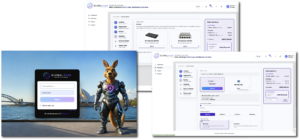
Those capabilities help international teams stay informed about their Australian connections. Local support adds a practical route to assistance when a task requires someone to be physically present.
Together, the platform and Australian team help partners manage the service from a distance and arrange hands-on support when the situation calls for it.
Support your customer beyond activation
Consider an international carrier supporting a customer’s new Australian office. The connection is live, but the customer later needs assistance with a physical task at the site.
The carrier already understands the customer’s wider network and requirements. Local support gives it a way to bring someone on site into the process, working alongside the people managing the service remotely.
Discussing those arrangements early also helps the carrier plan how it will support the location over time. The customer’s needs may change after activation, and knowing where to turn for local assistance makes those conversations easier.
Put local support behind your Australian offering
Whether you are connecting a customer’s first Australian office or supporting an established location, access to a local team matters.
Global Edge combines Australian DIA service management with people on the ground who can provide physical support. Your team can manage the customer relationship internationally, backed by an Australian partner for local assistance.
Need local support for Australian DIA?
Talk to Global Edge about your customer’s Australian location and the support required.